
Multi-level stretch ceiling: zoning, design and price
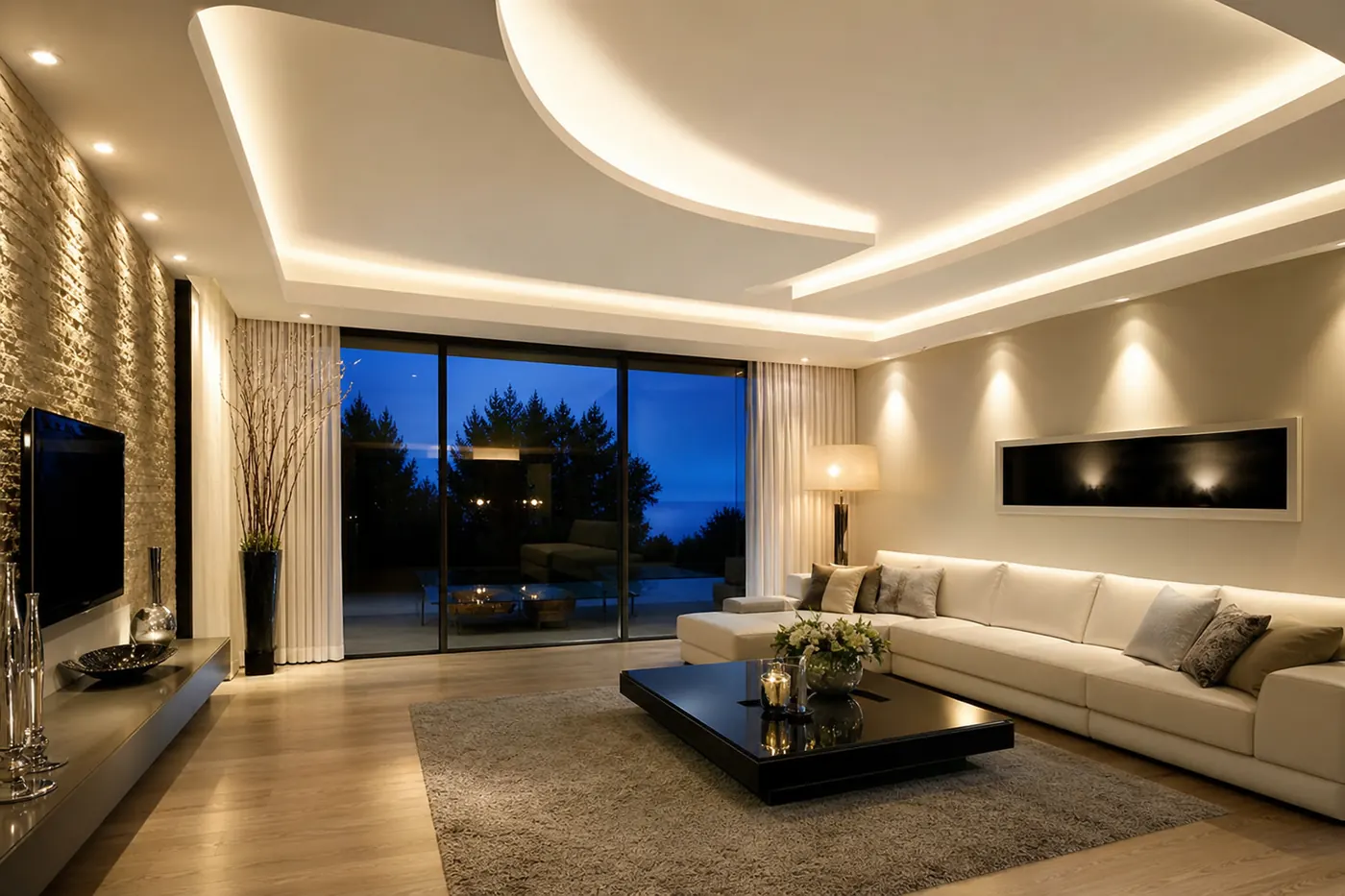
A multi-level stretch ceiling divides a room into zones without week-long drywall boxes: different heights, contours, LED niches and accents. We explain when it’s truly worth it, how levels are designed and what drives price.
In spacious living rooms, studios and bedrooms with a rest zone in Tashkent, multi-level systems replace heavy ceiling renovation. POTOLOK+ designs levels at a free survey, installs with odorless MSD and a 15-year warranty on film and install.
What a multi-level stretch ceiling is
Two or more film tiers at different heights: a lower level may frame the sofa zone, the upper one holds the chandelier center, with an LED niche between.
Technically it’s profiles, platforms and sometimes drywall base under the lower contour — but the finish is always MSD stretch film. Details on the multi-level ceiling page.
Unlike single-level classic install, multi-level solves design and lighting, not just a flat surface.
When multi-level makes sense
- Large open-plan living — separate kitchen from lounge
- Bedroom with bed by the window — lower level over the bed
- Tall ceilings 2.8–3+ m — otherwise volume is wasted
- Hide curtain box, ventilation or slab step in a niche
In a small 3×3 m room a second level often overloads — at survey we’ll say if floating contour or shadow-gap is enough.
Kids’ rooms rarely need full multi-level — more often a lit niche.
Design: shapes, colors, lighting
Popular schemes: rectangular perimeter frame, central oval, L-shape along the TV wall, wave over the bed.
Color: white + white is classic; contrasting level (gray, beige) as accent. Gloss on the lower tier visually lifts the zone.
LED in the niche between levels gives soft evening light without a pendant — pairs well with floating profile on the outer contour. Brightness and color temperature (3000K / 4000K) agreed before install.
What affects price
Main factors: • Number of levels and linear meters of track • Area of each film sheet (different colors — separate sheets) • Platforms for spots and pendants on each tier • LED tape, drivers, niches • Drywall base complexity under the contour
Rule of thumb: multi-level costs noticeably more than single-level matte in the same room — but faster and less dust than full drywall with skim coat. Exact quote only at POTOLOK+ free survey.
We don’t quote one flat “per m²” number — the whole project is priced.
Install and timeline
Simple two-level contour in an 18–22 m² living room — usually 2–3 days: frame/niche, tracks, electrics, film stretch, lights.
Complex shapes with several colors and many spots — up to 4–5 days. Timeline fixed in contract after survey.
Odorless MSD film; ventilate after each day. One crew — no separate plasterers and stretch installers.
Warranty and care
15-year warranty on film and POTOLOK+ install. LED parts per manufacturer warranty (usually 2–3 years).
Care like any stretch ceiling: soft damp cloth, no abrasive. Niches vacuumed with soft brush every six months if needed.
Book a free survey — we’ll sketch levels, compare multi-level and floating options and budget before work starts.
Conclusion
A multi-level stretch ceiling zones and lights spacious Tashkent rooms when one level isn’t enough. POTOLOK+ will design a multi-level system with MSD, 15-year warranty and free survey — request a quote for level sketch and estimate before contract.
Frequently asked questions
01Multi-level in a low room?
02How many days for install?
03More expensive than drywall?
04Which rooms fit best?
More articles
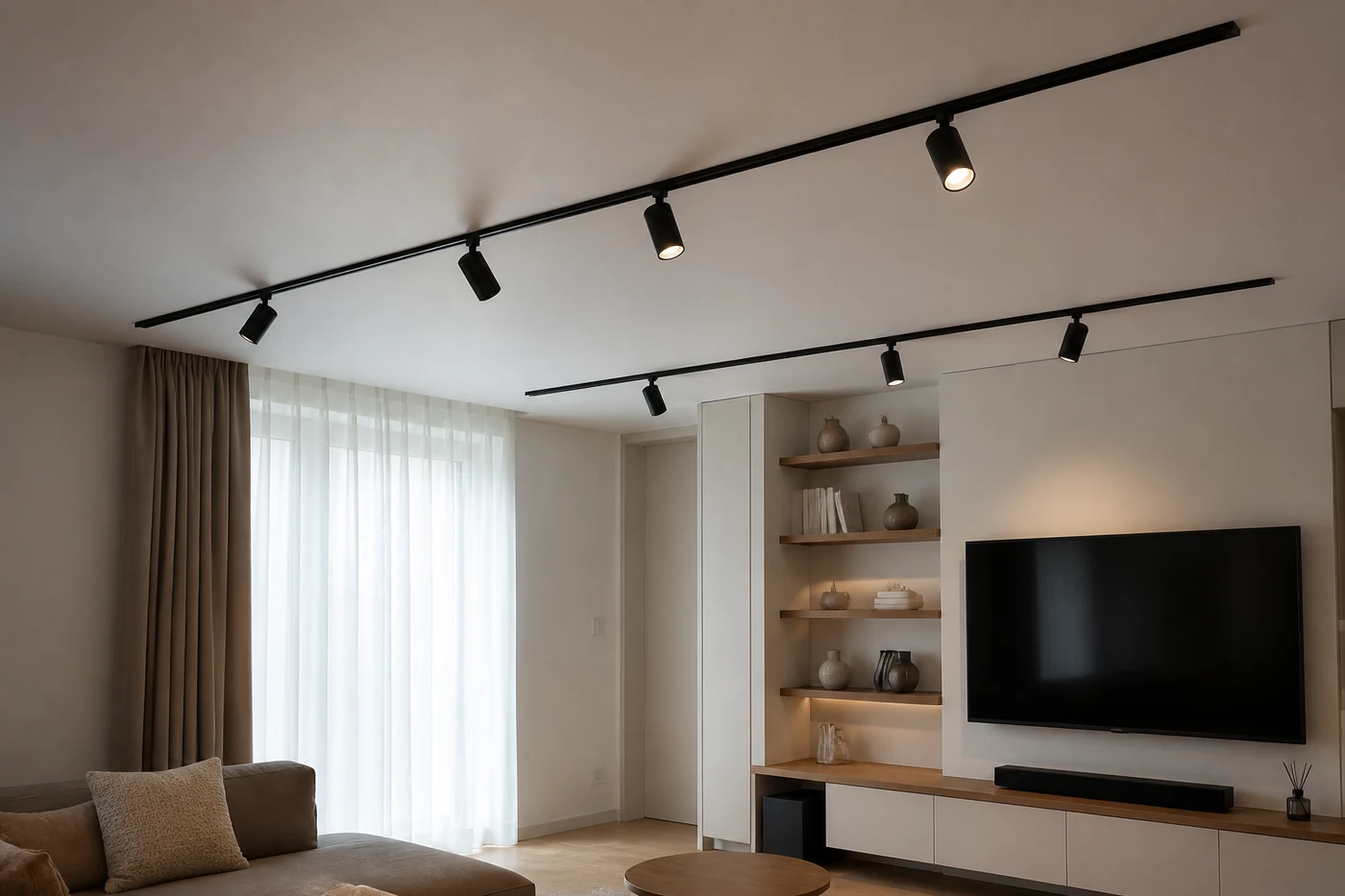
Track lighting on a stretch ceiling: rails instead of spots
POTOLOK+ extras: track lines — rails with movable fixtures, an alternative to spots. From 35 USD/m → from 420,000 UZS/m. Light lines (glowing inserts) are from 40 USD/m. Spot points are 60,000 UZS each.
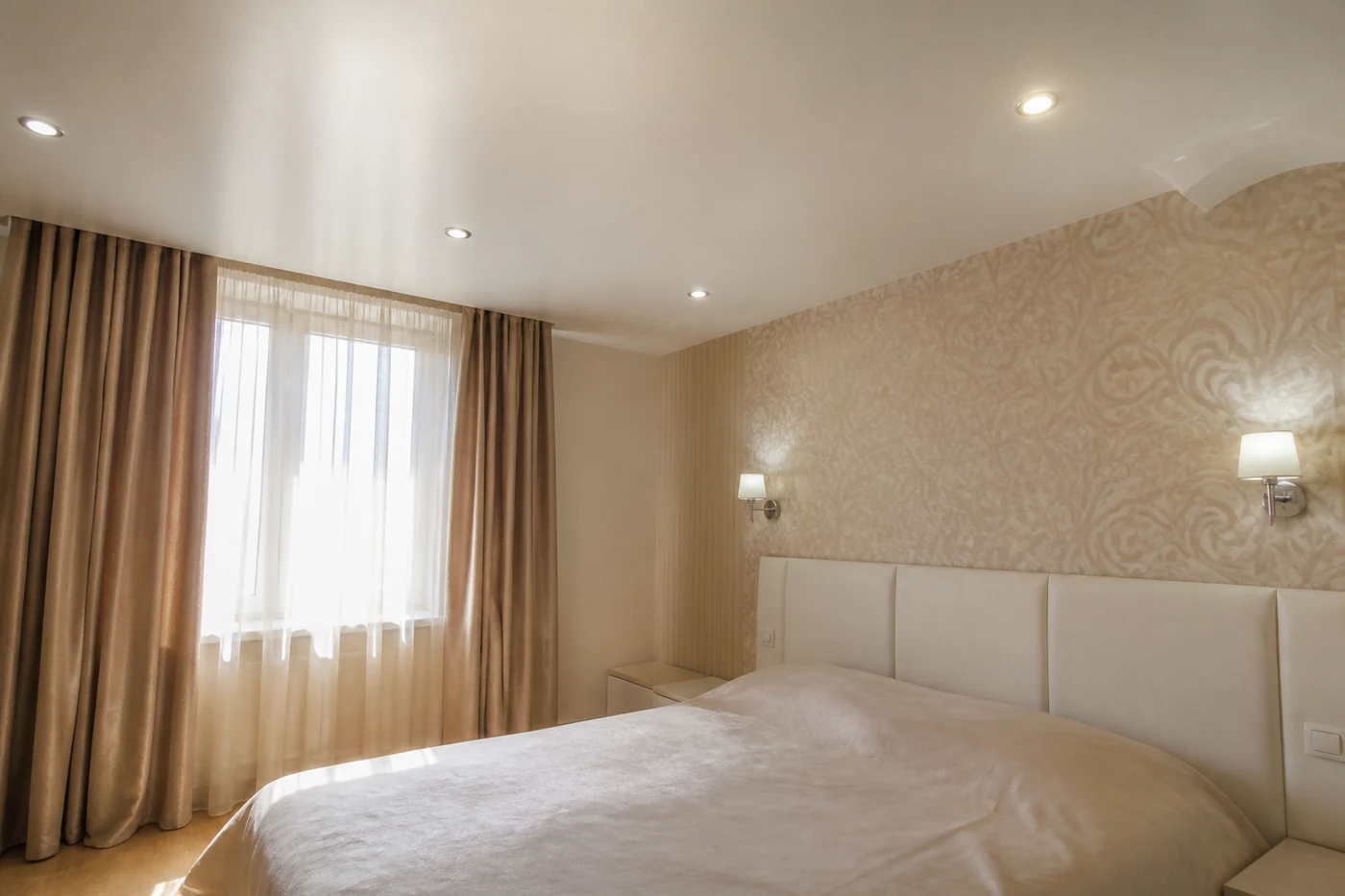
Satin stretch ceiling: pearl between matte and gloss
[Satin](/en/catalog/satinovyy/) is not a mirror. Living room, bedroom, kitchen, study. Site price: from 8 USD/m². Card FAQ: 15–20% above matte. Final number after measure.
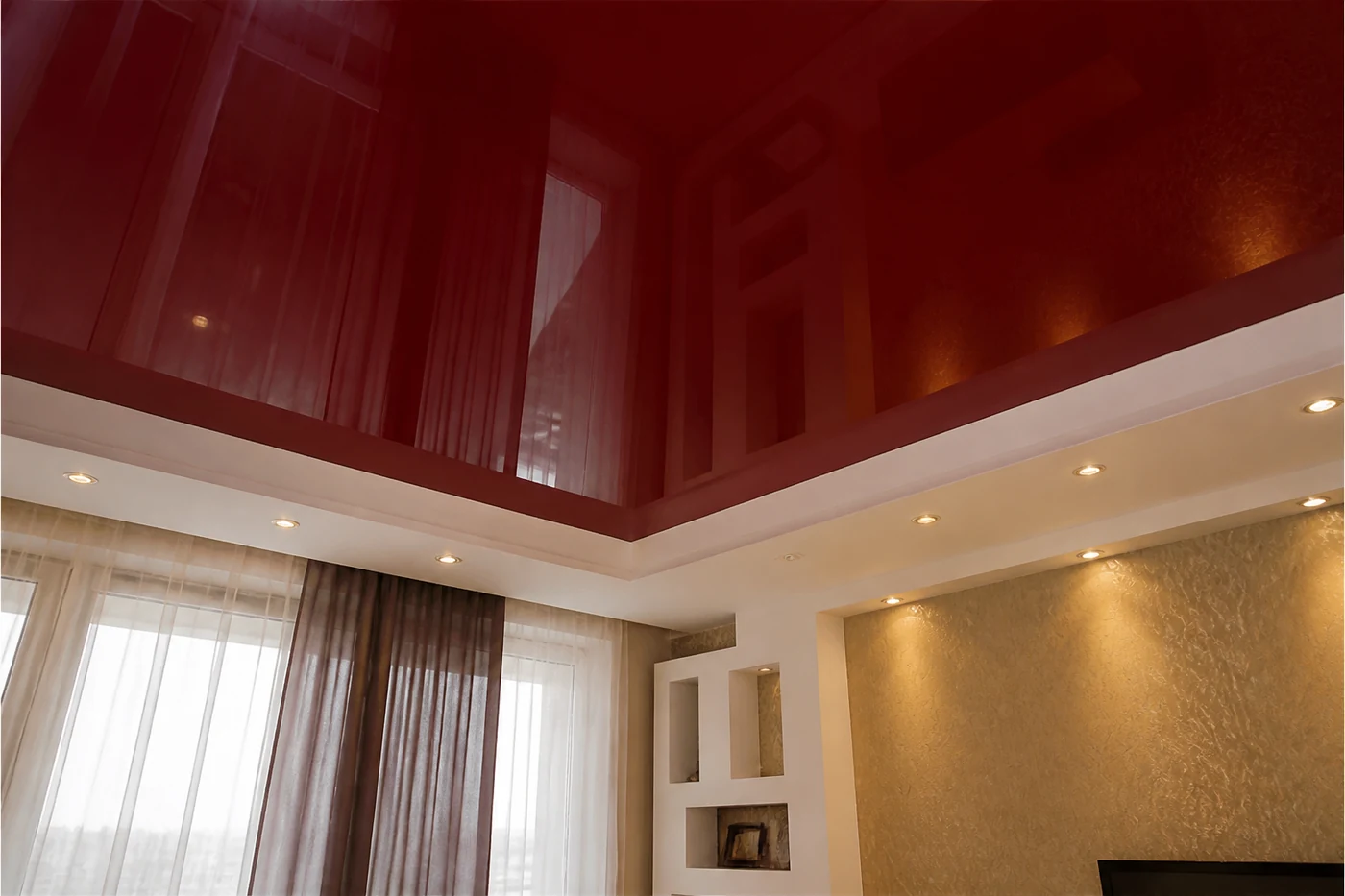
Glossy stretch ceiling: mirror, seam and wet rooms
[Gloss](/en/catalog/glyantsevyy/) is a lacquer surface. Visual expansion up to +30%. Price: from 8 USD/m². Three textures: [matte, gloss or satin](/en/blog/matovyy-glyancevyy-satinovyy-chto-vybrat/).